 0
0
 0
0
The summer solstice marks the moment the Northern Hemisphere tilts closest to the sun — a celestial pause that gifts Austria its longest day of the year. On 21 June, daylight reaches its annual peak, bathing the country in more than sixteen hours of brightness before the slow return of longer nights begins.
A Day When Light Lingers
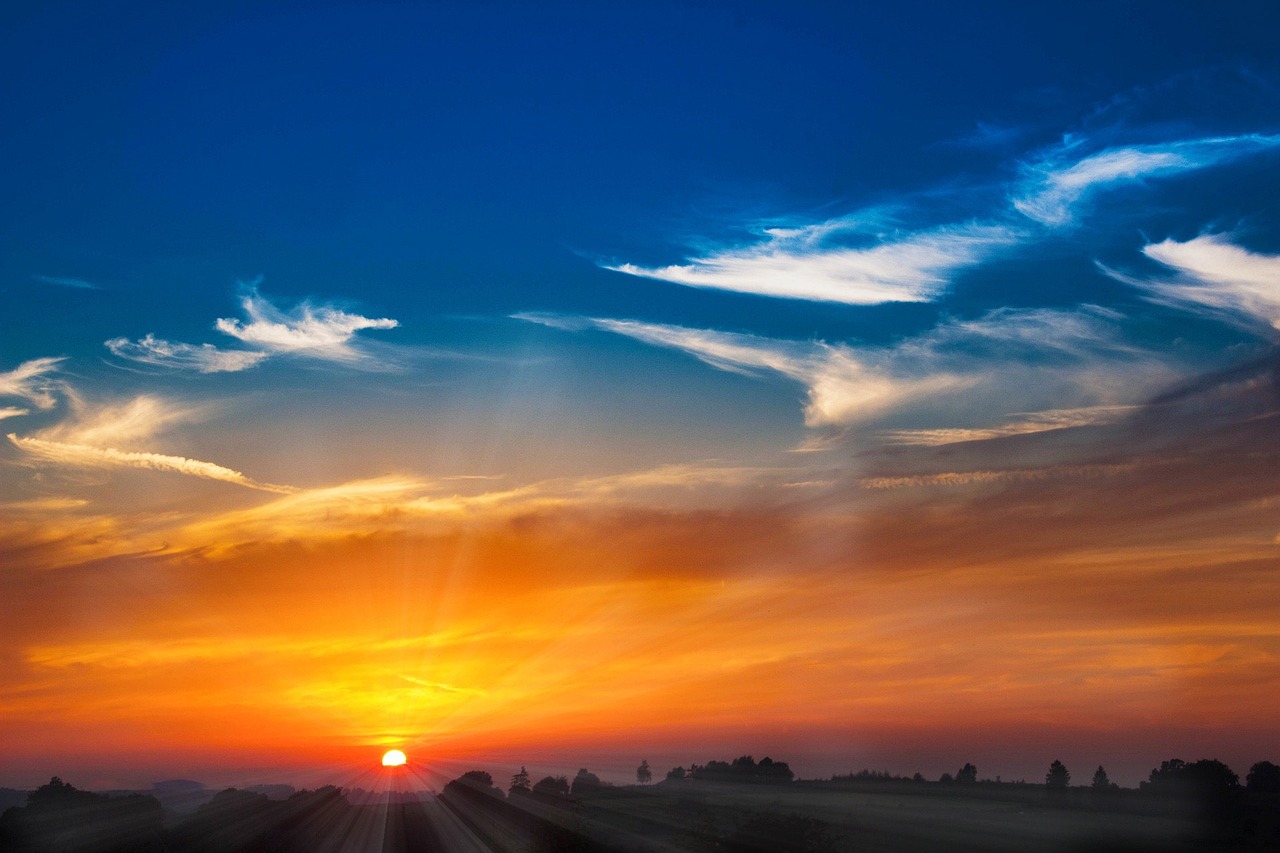
In Vienna, the sun rises as early as 4:42 a.m. and doesn’t slip below the horizon until 8:59 p.m. For early risers, hikers, and anyone who cherishes long, glowing evenings, this is the season’s crown jewel. The weeks leading up to the solstice stretch gradually, almost imperceptibly, toward this luminous climax.
But the solstice is also a turning point. From this day onward, the sun’s arc begins its gentle retreat. Mornings grow a little dimmer, evenings a touch shorter. The change is slow, but steady — a reminder that even the brightest days carry the seed of transition.
A Phenomenon as Old as Civilization
Humanity’s fascination with the solstice runs deep. Archaeologists believe that even the 9,000‑year‑old tower of Jericho may have been aligned with the sun’s movements — evidence that ancient cultures observed and celebrated this astronomical milestone with precision and reverence.
Across continents and centuries, the solstice has been a marker of renewal, fertility, and protection. Its significance is woven into mythologies, agricultural cycles, and spiritual rituals.
Fire on the Mountains: Austria’s Living Tradition
In Austria, the solstice is not only a scientific event but a cultural one. Since 2010, solstice celebrations have been recognized as part of the UNESCO Intangible Cultural Heritage, underscoring their enduring importance.
One of the most striking customs is the lighting of Sonnwendfeuer — towering bonfires built from wood, straw, and other natural materials. These fires blaze across valleys and mountaintops, from the Feuerkogel in Upper Austria to the rugged silhouettes of the Wilder Kaiser in Tyrol.
Every year, thousands gather to watch the mountains glow. The fires cast a warm, flickering light that seems to echo ancient beliefs: flames that once were thought to ward off illness, misfortune, and evil spirits.
A Celebration of Community and Continuity
Today, the solstice fires are less about superstition and more about togetherness. Families, friends, and entire communities come together to share food, music, and the rare magic of a night that barely grows dark. The tradition endures because it connects people — to each other, to the landscape, and to a rhythm of nature that modern life often obscures.
The summer solstice is a reminder of how deeply light shapes our lives. It is a moment of abundance, of pause, of gratitude. And even as the days begin their slow shortening, the images of blazing mountaintops and golden evenings linger — a testament to a tradition that continues to illuminate Austria year after year.
- source: heute.at/picture: pixabay.com



This post has already been read 8293 times!